
Lighting & Decor
Lighting is the difference between a room that photographs well and a room that feels right at nine in the evening.
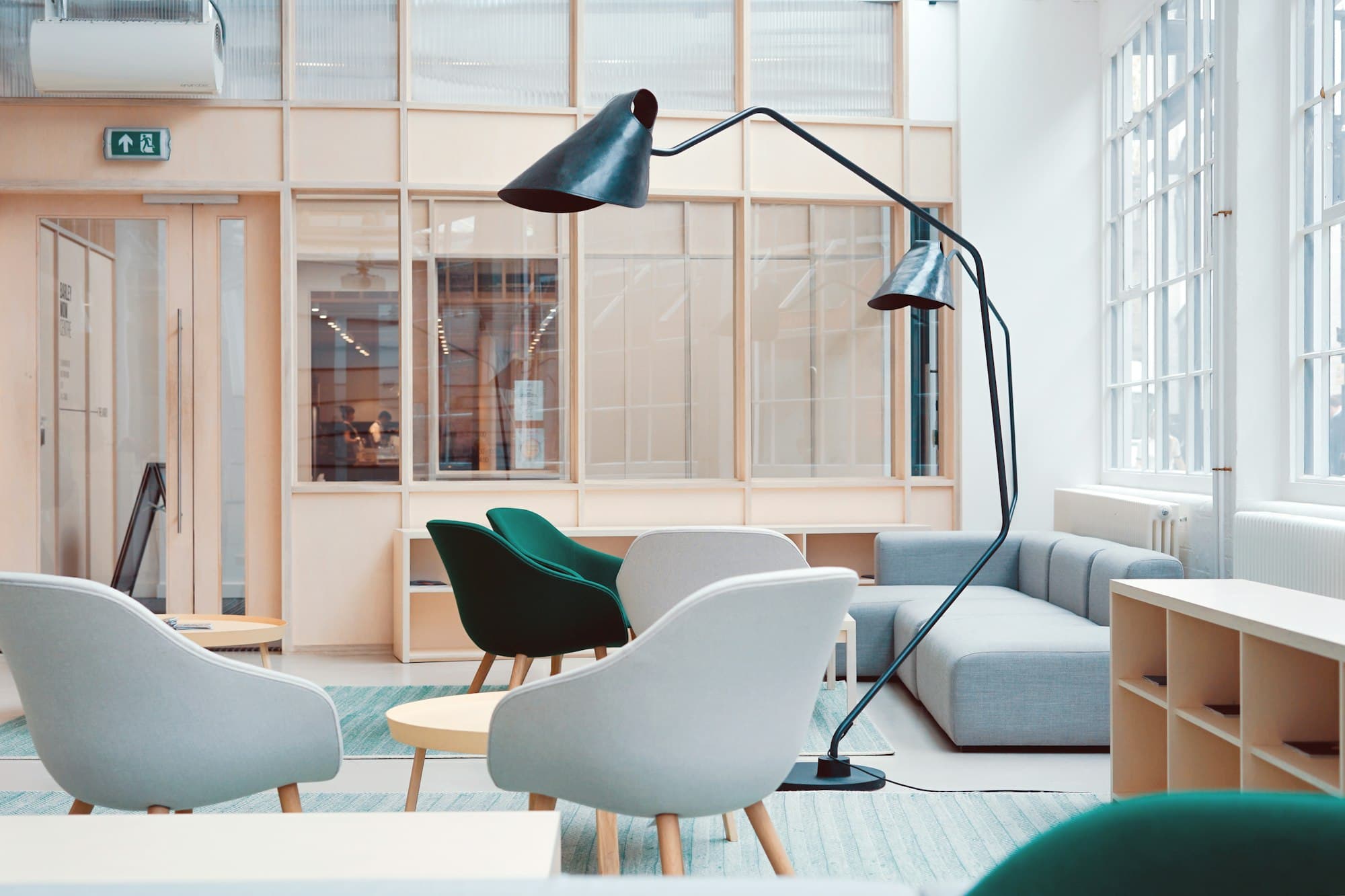
Almost every disappointing room we are asked to rescue has the same fault: one bright light in the middle of the ceiling, doing everything. It flattens the space, throws shadows on faces, and makes an expensive material palette look cheap. Lighting is the cheapest intervention with the largest effect on how a room feels, and it is routinely the last thing anyone thinks about.
Good lighting is layered. Ambient light fills the room, task light does work at the counter or the bedside, and accent light gives the eye something to rest on — a texture, a plant, a piece of art. We plan those as three separate circuits in the main rooms so they can be used independently, because a room lit for cooking and a room lit for a conversation are not the same room.
Decor is the layer after that, and it is the one that stops a finished project looking like a showroom. Art, textiles, plants and objects chosen for the people who live there rather than to fill a wall. This is the least technical part of what we do and often the part clients remember.
What's included
- Room-by-room lighting plan with ambient, task and accent layers
- Circuit and switching layout, coordinated with the electrical contractor
- Fixture selection — architectural, decorative and functional
- Colour temperature and dimming strategy specified per room
- False ceiling coordination where cove or recessed lighting is used
- Art and mirror positioning, with sizes drawn to the wall
- Soft furnishing scheme — upholstery, curtains, rugs, cushions
- Styling of shelves, consoles and surfaces at handover
- Plant selection suited to the light each room actually gets
How it runs
The studio's four phases, applied to this service specifically.
- 01Discover
Reading the room
We look at what natural light each room gets and when — a west-facing living room and a north-facing one need completely different schemes. We note where you sit, read, cook and work, because task light follows activity rather than symmetry.
- 02Define
Fixtures and budget
Architectural lighting — the recessed and cove fittings doing the invisible work — is where the scheme succeeds, and it should be specified before the decorative pieces that get all the attention. Decorative fixtures typically carry a four to six weeks lead time, so they get ordered early even though they are installed last.
- 03Design
Drawing the scheme
The lighting plan is drawn over the furniture layout, not the empty floor plan, so fittings land where they are useful rather than where they are even. We specify warm colour temperatures in living and sleeping spaces, generally 2700K to 3000K, and cooler light only where work demands it. Dimming is planned in from the start, since retrofitting it means opening the ceiling.
- 04Deliver
Installing and styling
Fittings are installed and focused on site — accent lights are aimed once the art is up, not before. Then the styling layer goes in and the room is photographed. We usually adjust the scheme after you have lived with it for a few weeks; lighting is the one thing worth tuning after handover.
Worth knowing
Colour temperature sets the mood before anything else
Cool white light in a living room makes even beautiful materials look institutional. Warm light flatters skin, wood and textiles, and reads as evening. Mixing temperatures within a sightline is the most common error we correct — a warm living room opening onto a cool-lit kitchen looks like a fault rather than a decision.
Dimming is worth more than extra fittings
One dimmable circuit does the work of three fixed ones. It also extends the useful life of a room across the day, from bright and functional in the morning to low and quiet at night. Dimmable drivers cost more per fitting and need to be specified before installation, because the driver lives above the ceiling.
Art needs to be planned, not hung later
Wall lighting, switch positions and furniture heights all assume something about where art will sit. Deciding that at the end means either compromising the piece or accepting a light aimed at nothing. We draw art positions and sizes onto the elevations even when the specific pieces have not been bought yet.
Related work


Questions about lighting & decor
Often dramatically, yes. Changing fittings, adding dimming, correcting colour temperature and introducing a couple of lamps can transform a room without touching the ceiling. Where cove or recessed lighting is wanted, a false ceiling is usually required, which is a bigger job.
Yes, and we would rather plan them in than retrofit them. The main thing worth deciding early is whether control lives in the switch, the fitting or an app — that choice affects the wiring, and it is expensive to change afterwards.
We source and present options, and you choose. We can also work entirely with pieces you already own — the planning work is the same, and homes furnished with things that mean something to the owner always read better.
Related reading
Small Flats, Big StoriesThinking about lighting & decor?
Tell us about the space and roughly where the budget sits. We'll tell you honestly what's possible.